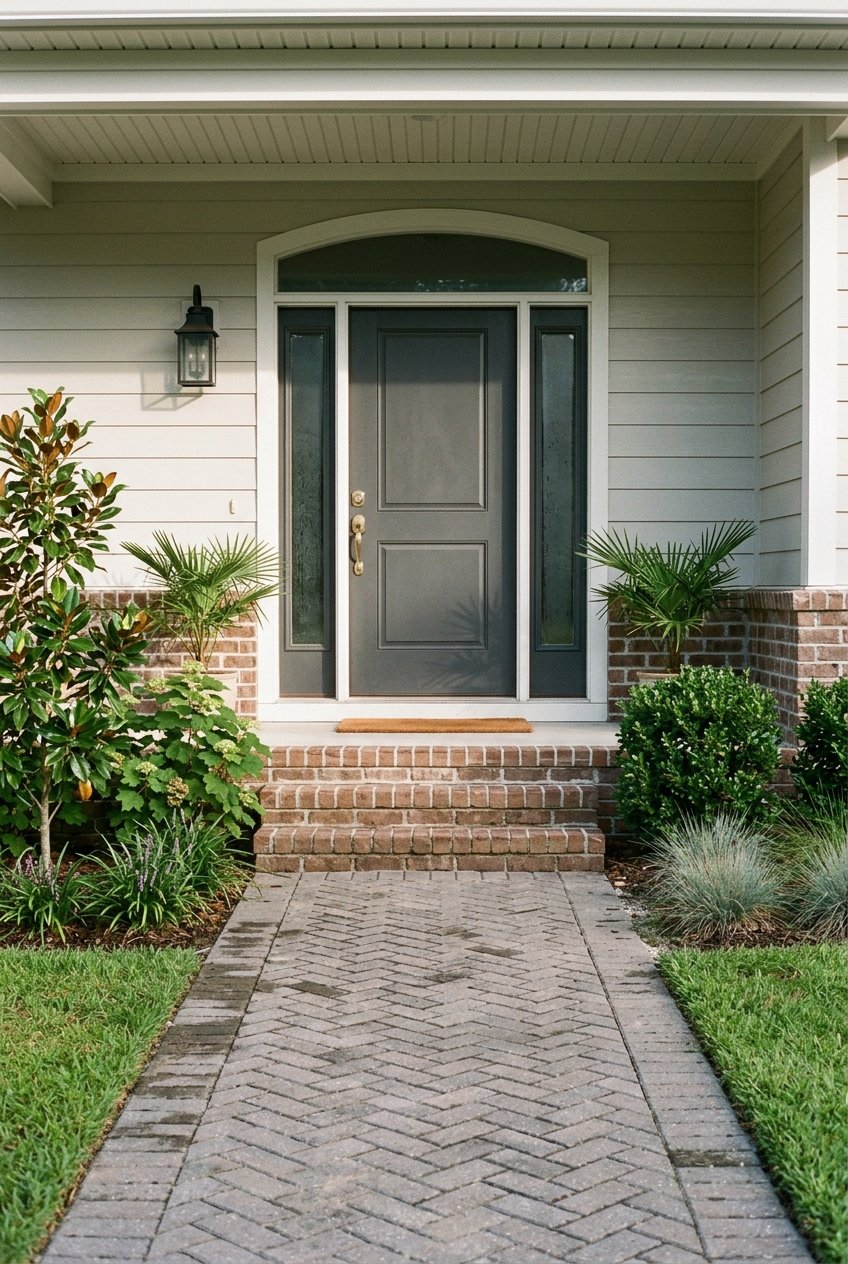
Smart Guide to Buying a Home in Great Neck Virginia Beach
April 2, 2026
April 2, 2026
If you are thinking about buying a home in Great Neck, the first thing to know is simple: this is not one single neighborhood with one single price point. Great Neck is better understood as a corridor in north Virginia Beach, with a mix of housing types, price tiers, and daily-living tradeoffs that can feel very different from one pocket to the next. If you want to buy with confidence, you need to understand how the area works, what to expect on pricing, and which due-diligence steps matter most. Let’s dive in.
Great Neck sits in a well-known part of north Virginia Beach, but it functions more like a collection of micro-markets than a uniform community. That matters because the kind of home you tour, the price you pay, and the lifestyle you experience can vary a lot within the same broader area.
City amenities help define the corridor. You have access to Great Neck Park, a 70-acre district park along Lynnhaven Bay, and the Great Neck Recreation Center, an 83,931-square-foot facility located behind Cox High School. The city also describes the nearby Lynnhaven gateway as an older commercial area with an I-264 interchange and major arterial connections, which helps explain why location and routing are such important parts of the buying decision.
If you have been searching online and seeing a wide range of prices, that is normal for Great Neck. Current market data supports the idea that this area should be viewed as a set of smaller housing segments rather than one average buyer profile.
As of February 28, 2026, Zillow’s home value index for Great Neck was $522,058. Realtor.com reported a $499,900 median home price in December 2025, with 45 active listings and 40 average days on market in the area. Those headline numbers are useful, but they do not tell the full story.
Current asking prices reportedly range from around $350,000 to $899,900 in listing examples, which shows how much internal variation exists. On top of that, the city’s FY 2025/2026 neighborhood assessments show notable differences between sub-areas, from more modest attached-home communities to higher-value detached and waterfront pockets. Because assessments are not the same as sale prices, they are best used as a way to understand relative tiers, not as direct pricing comps.
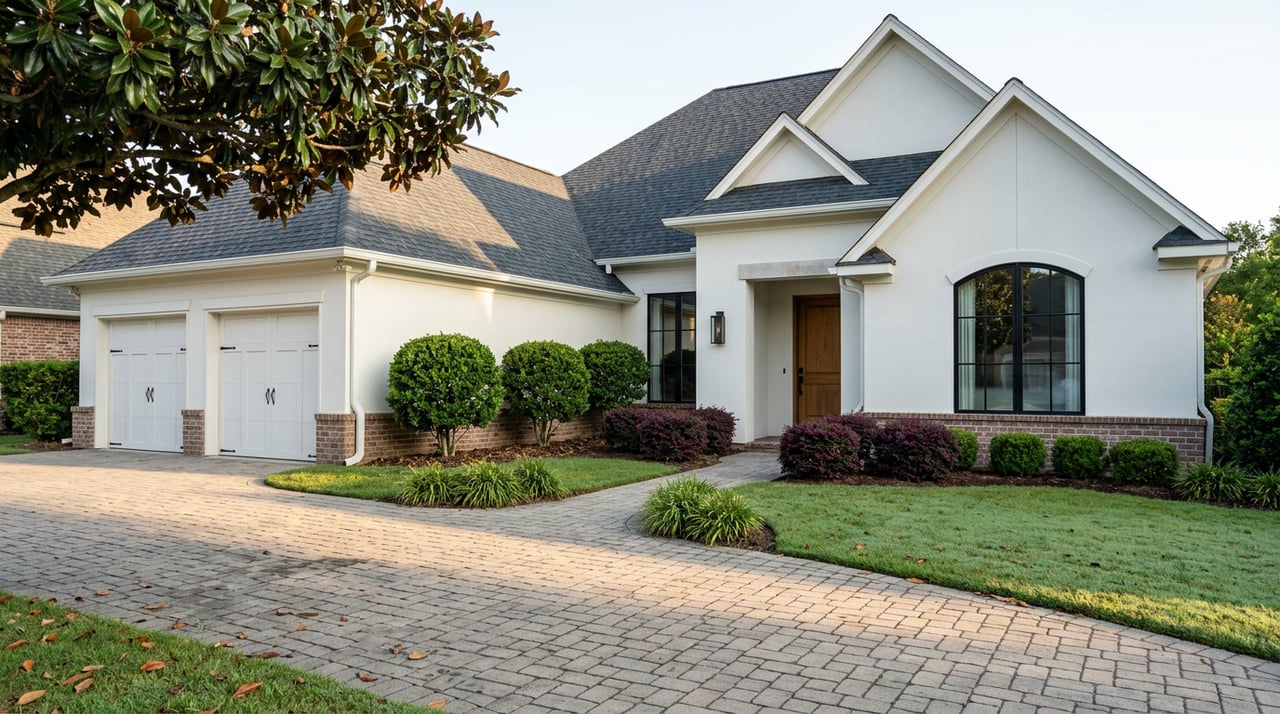
One reason Great Neck attracts so many different buyers is the variety of housing stock. Depending on where you focus, you may come across:
That variety is helpful, but it can also create confusion during your search. A well-priced townhome in one section of Great Neck may have very little in common with a detached property in another section, even if both share the same broader area name.
This is the most important strategy shift for Great Neck buyers. Rather than saying, “I want to buy in Great Neck,” it is usually smarter to say, “I want to buy in this part of Great Neck, with this type of home, at this price point.”
The city’s neighborhood assessment data illustrates that spread clearly. Median assessed values range from roughly $206,800 in Great Neck Landing and $249,000 in Great Neck Townhomes to about $323,800 in Great Neck Villas, around $507,800 to $522,900 in Great Neck Estates and Great Neck Farms, and approximately $1.44 million in Great Neck Point. Again, those are assessed values, not market comps, but they show why side-by-side comparisons across the whole corridor can be misleading.
On a map, Great Neck can look straightforward. In practice, your daily drive may feel very different depending on which roads you use and when you use them.
The city notes that the Lynnhaven gateway includes an I-264 interchange plus major arterial connections, and the area around Great Neck Road near Shore Drive and Cape Henry Trail is an important access and crossing zone. A city HAWK crossing project at Great Neck Road and Cape Henry Trail also highlights that this is an active pedestrian area, not just a pass-through for cars.
That is why it is smart to test your likely routes during the times you would actually travel. If you work across town, commute to a base, or need quick access to regular destinations, judging a home by mileage alone can lead to surprises.
If school zoning is part of your home search, avoid assumptions based on neighborhood names or online listing remarks. In Virginia Beach, school assignment should be confirmed by address.
According to Virginia Beach City Public Schools’ School Locator, buyers should use the locator or Map Center for address-specific zoning. The district also notes that official confirmation happens during registration. For reference, Great Neck Middle is located at 1848 North Great Neck Road, and Cox High School is at 2425 Shorehaven Drive.
In Great Neck and across Virginia Beach, flood review is not optional. It is one of the most important parts of your buying process.
The city explains that the area’s low elevation and proximity to water make it susceptible to flooding, and Virginia Beach participates in the National Flood Insurance Program. The city also advises buyers to verify flood zone information through VFRIS and FEMA, and to request elevation certificates when appropriate. In general, VIMS recommends flood insurance if a property is not in Zone X.
Before you move forward on any property, make sure you review:
Great Neck does not appear to be a one-speed market. Inventory is modest, but turnover is not instant across every product type.
Realtor.com reported 45 active listings and 40 average days on market, while Zillow showed 46 homes for sale. That combination suggests you should be prepared, but not reckless. Well-positioned homes may still attract attention quickly, especially in more desirable sub-areas or price brackets, while other listings may sit longer depending on condition, pricing, or location.
Because the area has such a wide internal spread, your touring strategy matters. The goal is not just to see homes. It is to compare the right homes.
When possible, compare properties within the same sub-neighborhood or product type. A townhome, a detached home, and a waterfront property in the broader Great Neck corridor may all be “Great Neck” on paper, but they do not compete with one another in the same way.
As you tour, pay close attention to:
Once you narrow down your target area, your next step is tightening your due diligence. This is especially important for relocation buyers, second-home buyers, and anyone comparing attached and detached options.
For condos and townhomes, review the full HOA or condo package carefully. That includes dues, parking, rental rules, and any planned or pending special assessments. For any Great Neck home, it is also wise to confirm flood zone, insurance costs, drainage history, roof age, HVAC age, and school assignment before removing contingencies.
A simple buyer checklist can help:
Even in a market where homes are not all selling overnight, preparation gives you leverage. If the right property hits your budget and preferred sub-area, you want to be ready to move without scrambling.
With inventory in the mid-40s, Great Neck buyers benefit from clarity and speed. Preapproval helps you understand your true buying range, tighten your home search, and make a cleaner offer when the right fit appears.
Great Neck can be a strong option if you want access to north Virginia Beach with a broad mix of housing choices and established community amenities. The key is to approach it with precision. Instead of treating the area as one simple neighborhood, narrow your search to a specific section, confirm the practical details that matter to your daily life, and compare homes against the right local benchmarks.
If you want a more tailored plan for buying in Great Neck, Rowland RE can help you evaluate the right micro-market, refine your search, and move through the process with local insight and concierge-level guidance.
Stay up to date on the latest real estate trends.



We pride ourselves on providing personalized solutions that bring our clients closer to their dream properties and enhance their long-term wealth. Contact us today to find out how we can be of assistance to you!