Owning A Second Home At The Virginia Beach Oceanfront
May 14, 2026
May 14, 2026
A second home at the Virginia Beach Oceanfront can feel like the best kind of escape, but it also comes with real day-to-day considerations that are easy to overlook from a distance. If you are thinking about buying in 23451, you are likely weighing lifestyle, convenience, upkeep, and whether the area truly fits how you want to use the home. This guide will help you understand what second-home ownership looks like at the Oceanfront so you can plan with more confidence. Let’s dive in.
The Virginia Beach Oceanfront sits inside one of the region’s strongest visitor economies. According to the city’s 2024 tourism report, Virginia Beach welcomed 14.3 million visitors who spent $2.6 billion locally, helping generate a total economic impact of $3.9 billion and supporting 34,076 jobs. That scale matters because it shapes how the Oceanfront functions year-round.
For a second-home buyer, this means you are not buying into a quiet beachfront pocket that stays unchanged all year. You are buying into an active coastal resort area where seasonal activity, public services, and visitor demand all influence the ownership experience. That can be a strong fit if you want a lively beach base with built-in energy and amenities nearby.
The city also actively manages the coastline rather than leaving it to chance. In its 2025 Oceanfront update, Virginia Beach says beach replenishment projects help maintain the coastal environment after storms, wind, and wave-driven erosion, and those efforts have helped avert an estimated $1 billion in storm-related damages since 2002. For owners, that is an important sign that the Oceanfront is a place with ongoing public investment and long-term coastal management.
Seasonality is one of the biggest factors to understand before you buy. The Oceanfront has a clear rhythm, with busy months that bring more visitors, more events, and more parking demand, followed by a quieter off-season that many part-time owners may find easier to enjoy. If you plan to use your property for weekend trips or longer stays, that rhythm will shape your experience.
The city’s Resort Area parking program makes that pattern easy to see. Paid parking runs from April 1 through Oct. 31, while municipal lots are free from Nov. 1 through March 31. In practical terms, summer visits often require more planning, while off-season trips can feel more relaxed and logistically simpler.
The event calendar also adds to the seasonal pulse. City communications note that the annual Oceanfront Event Season includes 13 events, and some draw more than 10,000 attendees a day. That can mean heavier traffic, tighter parking, and more crowd-management activity during popular weekends.
Beach operations change with the season too. The city says lifeguards are on duty from Memorial Day weekend through Labor Day weekend, and the 17th Street information kiosk follows that same schedule. Public restrooms are available at multiple beach access points, though hours and service levels can vary by location and time of year.
The Oceanfront tends to work best for buyers who want a part-time coastal home in an area that stays active and service-oriented. You may enjoy it if you like being close to beach access, seasonal events, and the energy that comes with a major resort district. You may want to think more carefully if your goal is a consistently quiet setting with little seasonal fluctuation.
That does not make one choice better than another. It simply means fit matters. A second home here is often most rewarding when you go in expecting a true resort-area lifestyle, with vibrant summer activity and a calmer off-season pace.
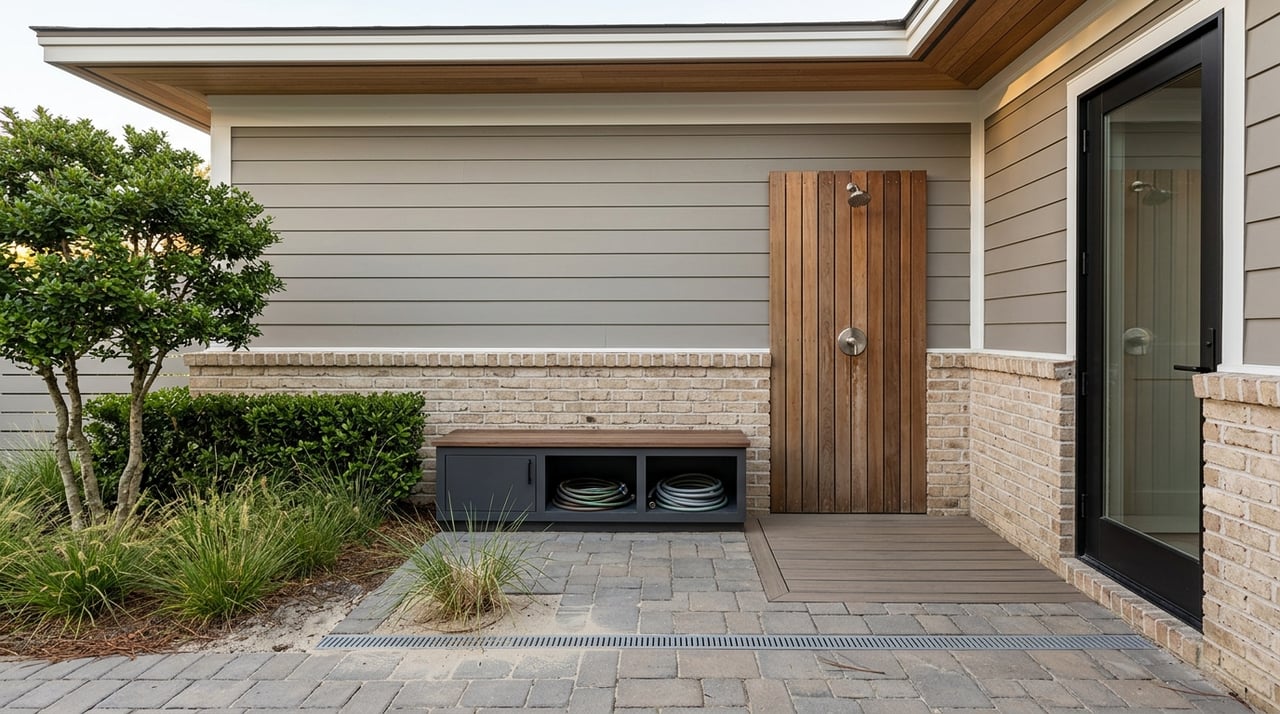
Owning near the water means maintenance needs more attention than it often does inland. Salt spray can contribute to corrosion of building materials in coastal environments, and moisture control is a key part of preventing mold. If you will be away for stretches of time, that makes routine oversight even more important.
The EPA recommends keeping indoor relative humidity below 60 percent, with an ideal range between 30 and 50 percent. It also advises drying wet areas within 24 to 48 hours and using air conditioning or dehumidifiers when needed. For a second home, those steps are not just nice to have. They are part of protecting the property when you are not there every day.
Preventive maintenance should be part of your budget from the start. Guidance cited in the research recommends inspecting the home at least every six months, and preferably every three months, servicing HVAC at least once a year before heating and cooling seasons, cleaning gutters, and replacing filters regularly. It also recommends setting aside about 1% to 3% of market value each year for maintenance and repairs.
If you are buying a condo or townhome, some maintenance tasks may be shared with the HOA. Even so, it is smart to understand exactly which responsibilities belong to you and which fall under association coverage. That clarity can help you avoid surprises after closing.
Flood exposure is a major part of Oceanfront ownership. Virginia Beach’s floodplain guidance says VE zones are coastal areas with a 1% or greater chance of flooding plus an added wave hazard. The city also notes that this translates to a 26% chance of flooding over the life of a 30-year mortgage.
Before you buy, you should review the property’s flood zone status using the city’s flood maps. This is one of the most important due diligence steps for any second-home purchase near the water. The zone can affect both your risk planning and your insurance costs.
The city also makes an important distinction about coverage. Standard home insurance does not cover flood damage, which is why buyers are advised to purchase separate flood insurance. If you are comparing properties at the Oceanfront, this is one of the practical ownership costs you will want to evaluate early.
If you own a second home at the Oceanfront, storm planning needs to be part of your routine. The Atlantic hurricane season runs from June 1 through Nov. 30, though storms can happen outside that window. For part-time owners, the challenge is not just knowing what to do, but making sure the plan can be carried out when you are out of town.
Virginia Beach advises property owners to learn how to shut off utilities, secure doors and windows, use shutters or plywood for window protection, clear gutters, and store or anchor outdoor items before a storm. Those are practical steps, and they are much easier to manage when you already have a system in place. Waiting until a storm is approaching is rarely the best time to start building your plan.
A second home tends to run more smoothly when your service team is set before the first issue comes up. That often means thinking beyond the purchase itself and preparing for the practical side of absentee ownership. The most successful second-home owners usually treat that setup as part of the buying process, not an afterthought.
A strong local plan may include:
The city provides useful infrastructure for part-time owners as well. Virginia Beach maintains real-time flood and tide monitoring through city sensors, and its emergency website is activated during natural disasters or significant events. The city also offers core services such as trash and recycling, water and sewer, parking management, and 311 contact channels.
Parking can be especially important if you expect periodic visits or guest use. Resort Area parking includes monthly garage parking options at the 9th Street, 25th Street, and 31st Street garages. Depending on the location of your property and how often you host, that may be a useful detail to explore.
If you are considering a purchase at the Virginia Beach Oceanfront, keep these points at the top of your list:
Buying a second home at the Oceanfront is about more than choosing a view or floor plan. You are also choosing a lifestyle pattern, a maintenance profile, and a level of seasonal activity that can vary a lot from one property to the next. That is why local market insight matters.
A concierge-minded approach can help you look beyond the listing details and evaluate how a property will actually live over time. That includes practical questions about building setup, parking, access, flood considerations, and how manageable the home will be when you are away. When you get those details right, a second home can feel far more relaxing and far less reactive.
If you are exploring second-home opportunities at the Virginia Beach Oceanfront, Rowland RE can help you navigate the market with local perspective, thoughtful guidance, and a tailored approach built around how you want to use the property.
Stay up to date on the latest real estate trends.

We pride ourselves on providing personalized solutions that bring our clients closer to their dream properties and enhance their long-term wealth. Contact us today to find out how we can be of assistance to you!