A North End cottage can list on Friday and have five offers by Sunday. A Bay Colony deep‑water home might draw a full weekend of showings and go under contract in days. When inventory is this tight, pace and precision matter. In this guide, you’ll learn how multiple-offer situations unfold locally, the terms that actually win, and how to choose the right offer with confidence. Let’s dive in.
Why North End and Bay Colony see multiple offers
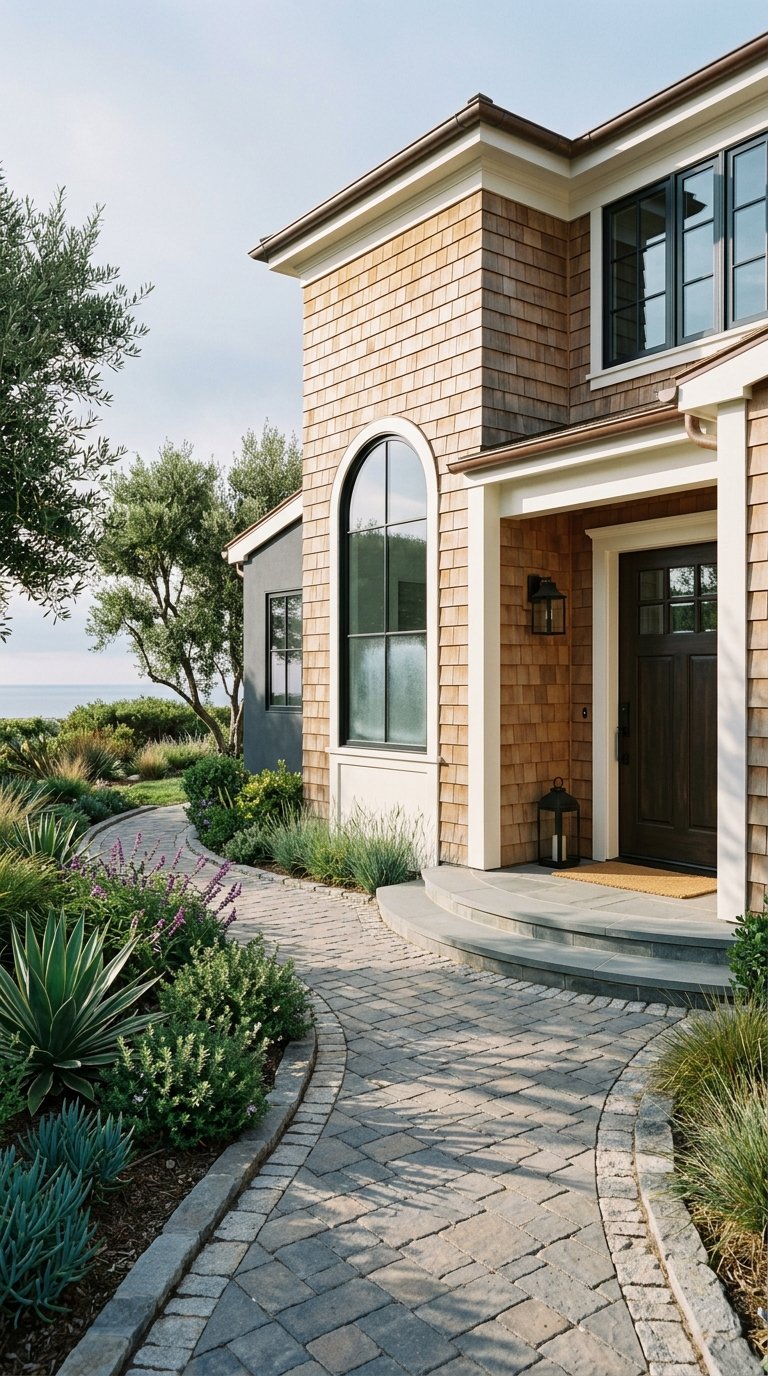
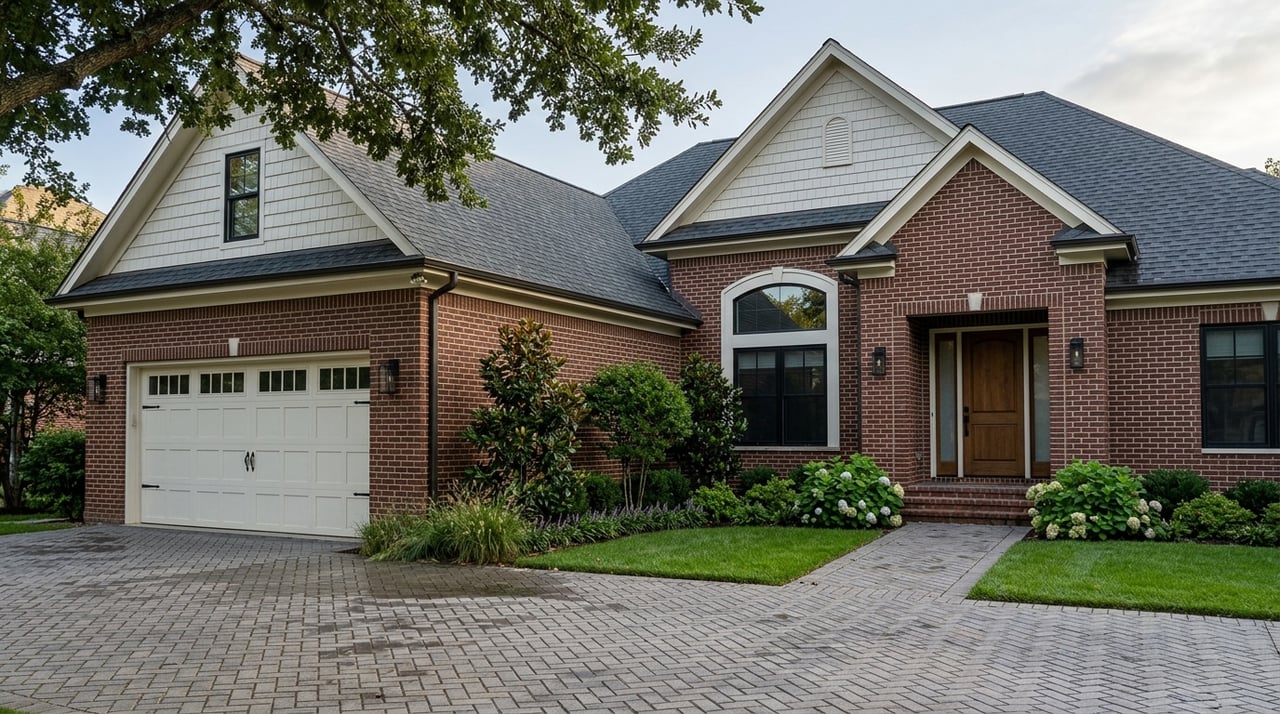
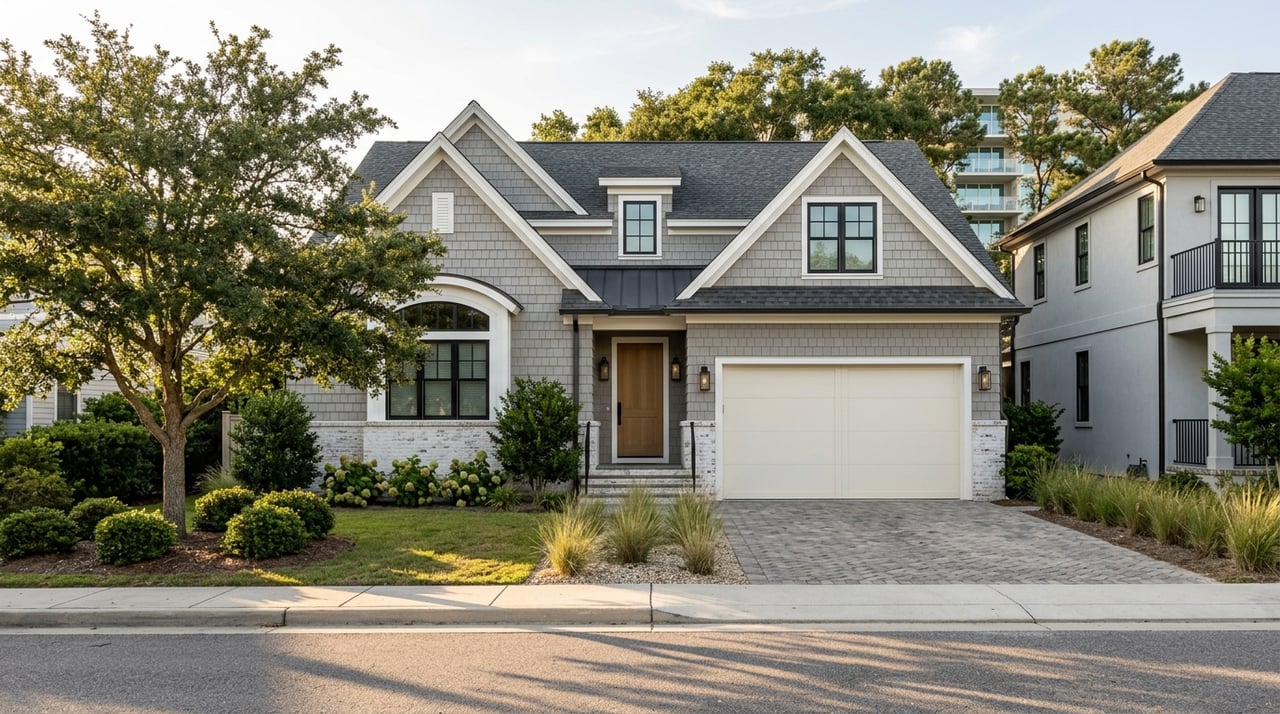
North End sits just north of the Oceanfront with a long-established residential feel and easy access to the beach and First Landing. It blends classic beach cottages with renovated and new builds, which keeps demand steady for proximity and lifestyle. You can see this dynamic reflected in consumer portal data and local agent reports. Neighborhood intelligence on the North End highlights its ocean-adjacent appeal.
Prices and pace reflect a high-demand, low-supply market. For example, Homes.com’s recent 12‑month view of the North End shows a median sale price around the mid‑$1 million range and average days on market near the five‑to‑six week mark. These numbers shift month to month because sample sizes are small, so treat them as directional.
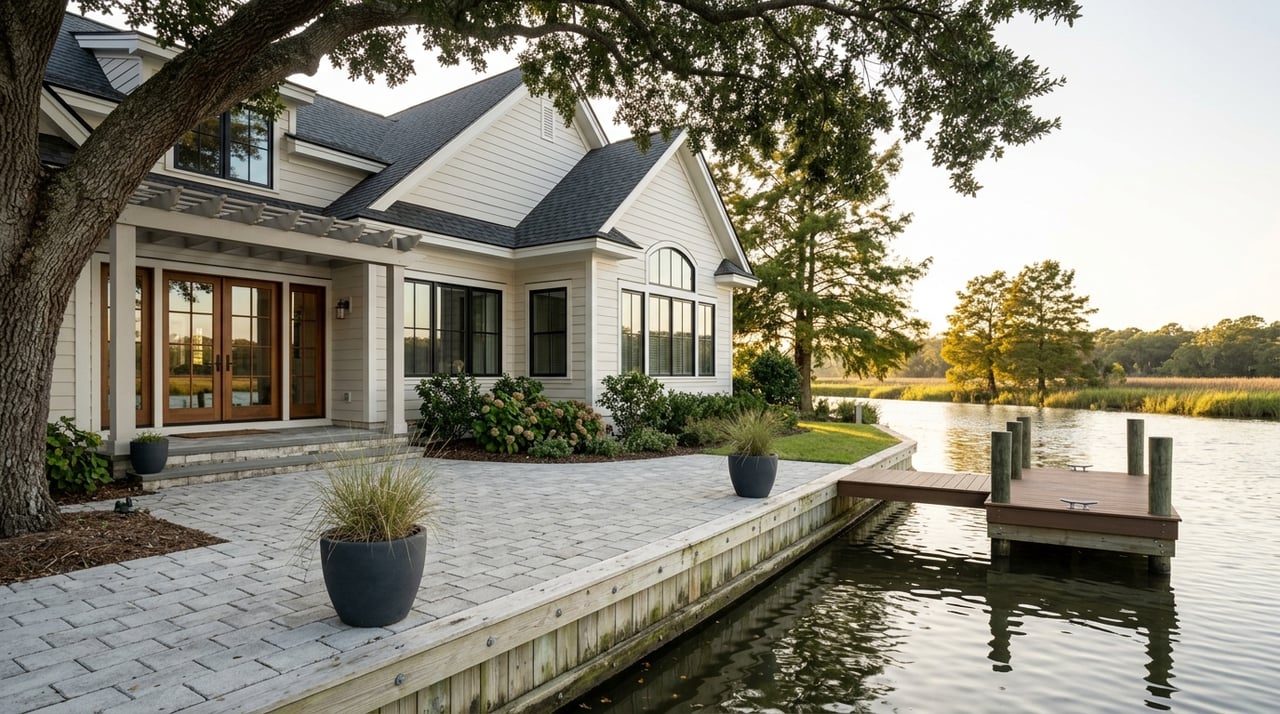
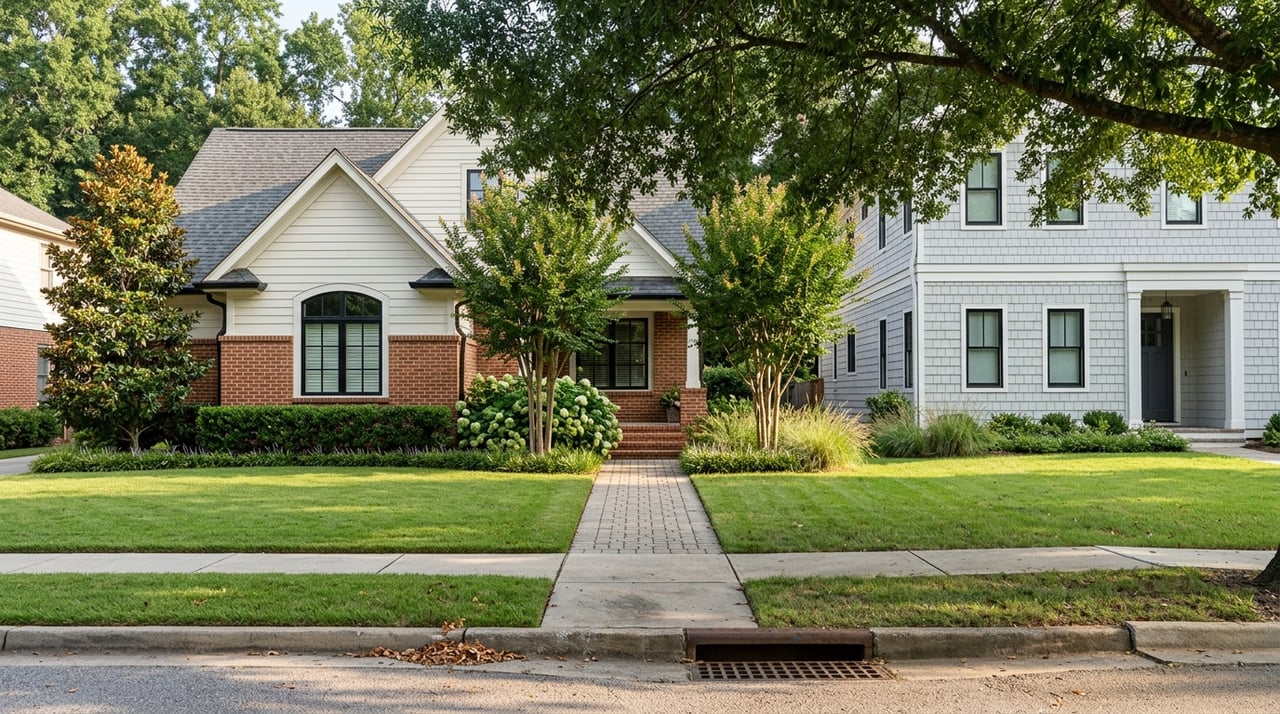
Bay Colony, also known as Cavalier Park, is a peninsula neighborhood on Linkhorn Bay with deep‑water access and many private docks. It is dominated by single‑family homes on larger lots and has a strong identity with low turnover. Homes.com’s Bay Colony guide notes seven‑figure medians, low months of supply, and multi‑week marketing times common to luxury waterfronts. Redfin’s local market view shows similar high medians but also highlights volatility. With only a handful of closed sales in any given month, medians can move quickly.
The short version: scarce waterfront or near‑water lots, lifestyle demand, and well-qualified buyer pools create frequent multiple-offer scenarios when a property is well priced and well presented.
How multiple-offer scenarios unfold
Here’s the typical sequence you can expect on a well-positioned listing in these pockets:
- The home goes live and showings ramp up. Open houses for ocean‑adjacent or renovated homes often draw immediate attention.
- The seller may set an offer deadline or ask for “highest and best.” Offers may also be reviewed as they arrive.
- The listing agent presents offers objectively and promptly, the seller chooses a path, and counters or accepts. NAR guidance on multiple offers emphasizes fair, documented handling with seller‑approved disclosures.
Timing to plan around
- Offer windows: For attractive listings, first offers often arrive in 24 to 72 hours. Some homes go under contract inside a week. This aligns with recent neighborhood market snapshots and consumer‑portal reports.
- Inspections: Competitive offers often use a short inspection window, commonly 5 to 10 days. Local practice rewards concise timelines. See regional guidance on pacing and norms referenced by industry sources.
- Financing and closing: Mortgage closings often land in the 30 to 45 day range depending on lender and loan type. AmeriSave’s buyer timeline is a good reference.
What makes an offer strong here
Financing strength
A current, thorough lender preapproval carries more weight than a simple prequalification. Sellers want clear evidence you can close. Pair your offer with a lender contact and updated documentation. Learn the difference in AmeriSave’s preapproval guide.
Earnest money that signals commitment
In many markets, 1 to 3 percent earnest money is common. In very competitive situations or higher‑price tiers, some buyers increase deposits to stand out. A larger deposit boosts seller confidence but increases your exposure if you later remove contingencies. Decide your comfort level before you write.
Tight, realistic contingencies
Shortening inspection, appraisal, or financing windows can make your offer more attractive. Limiting repair requests or opting for a pass/fail inspection approach can also help. Only shorten or waive after proper counsel, since you accept more risk.
Appraisal gap language and escalations
When offers climb above list price, sellers worry about a low appraisal. Appraisal‑gap language, where you agree to cover part of a shortfall up to a cap, can reduce that risk. Escalation clauses can win deals too, but some sellers prefer a firm number for clarity. For context, see this overview of escalation and gap strategies.
Calendar flexibility and occupancy
Meeting the seller’s preferred closing date or offering a short post‑close rent‑back can make a slightly lower price more compelling. Flexibility helps when the seller is coordinating a purchase or out‑of‑area move.
Cash or a strong lender
Cash removes lender risk. If you are financing, attach a robust preapproval and a reachable loan officer. Clarity and confidence can offset a small difference in price.
Buyer strategies tailored to North End and Bay Colony
- Get fully preapproved, not just prequalified. Attach the letter and your lender’s direct contact info. Review how preapproval works and keep it current.
- Prepare proof of funds for your deposit and down payment. Decide upfront if you can increase earnest money to strengthen your offer.
- Make contingency choices early. If shortening inspection to 5 to 10 days, have inspectors on standby. If considering an appraisal gap, set a hard cap you can afford.
- Know when to use a clean, firm price versus an escalation. If you include an escalation, define a clear ceiling and pair it with funding and appraisal language. See practical considerations here.
- Offer flexibility on closing or a short rent‑back if it helps the seller’s move.
- Move fast but stay calm. In these micro‑markets, acting decisively and submitting a well‑packaged offer can beat minor price differences.
Seller strategies to pick the right offer
- Set the ground rules early. Decide if you will allow escalation clauses or buyer “love letters,” and whether you want an offer deadline. Put instructions in agent remarks. NAR’s ethics guidance supports fair, documented handling.
- Verify financing. Require a strong preapproval or proof of funds and get a lender contact. Ask for a target date for loan commitment.
- Compare on net and certainty, not just price. Weigh deposit size, contingencies, appraisal risk, closing timeline, and any requested concessions alongside headline number.
- Use an offer-comparison grid and keep records. Document why you chose a particular offer to reduce confusion and protect against later questions.
- Be fair‑housing aware. Personal letters can reveal protected‑class information and introduce risk. Many brokerages advise against them. See the cautionary note from Tennessee REALTORS’ legal hotline for a general overview.
- Collect a backup offer. Keeping a vetted backup in place until closing can save time if the first contract fails.
Example timeline for a competitive sale
- Days 0 to 3: Listing goes live, high showing activity, and offers begin to arrive. For attractive North End and Bay Colony homes, many offers surface within 24 to 72 hours. See recent local pace trends on Redfin’s market page.
- Days 4 to 10: Buyer inspections. Competitive offers often include a 5 to 10 day inspection window per regional practice references.
- Days 10 to 21 or 30: Appraisal and financing milestones. Buyers commonly target a 3 to 4 week window to satisfy financing.
- Days 30 to 45: Closing for financed deals, with cash often faster, consistent with typical closing timelines.
Avoid common pitfalls
- Buyers: Do not waive key protections without a plan. If you shorten or waive inspection, line up contractor reviews and budget for surprises. If you add an appraisal gap, cap it at a number you can cover.
- Sellers: Do not chase the highest number without weighing certainty. A slightly lower price with a larger deposit, tight contingencies, and strong financing can deliver a smoother close and a better net outcome.
- Everyone: Remember neighborhood‑level medians can swing because only a few sales set the data each month. Use rolling 12‑month views from consumer portals like Homes.com or an agent MLS report to anchor your decisions.
Ready to compete with confidence
North End and Bay Colony reward buyers and sellers who prepare early, move decisively, and document every step. Strong terms, clear timelines, and fair, ethical presentation often decide the outcome more than small price gaps. If you want a calm, concierge approach backed by local expertise, connect with Rowland RE for a tailored plan.
FAQs
What should I expect for earnest money in North End and Bay Colony?
- Many buyers offer 1 to 3 percent of the purchase price, and some increase deposits in competitive situations to stand out. Your comfort level and contingencies should guide the amount.
How fast do well-priced homes sell in these neighborhoods?
- Attractive listings often receive offers within 24 to 72 hours and can go under contract within a week, with multi‑week days on market typical over a 12‑month view due to small sample sizes.
Should I waive the home inspection to win a bidding war?
- Only if you fully understand the risk. Consider a short inspection window, a pass/fail approach, or a pre‑offer contractor walkthrough instead of a full waiver.
How do escalation clauses work, and are they smart to use?
- An escalation clause automatically beats competing offers up to your cap. They can work, but some sellers prefer a firm price for clarity. Define a ceiling and pair it with clear appraisal and funding terms.
Are buyer “love letters” recommended in Virginia Beach?
- Many brokerages discourage them due to fair‑housing concerns. Sellers should rely on objective, documented criteria like price, terms, and financing strength rather than personal letters.