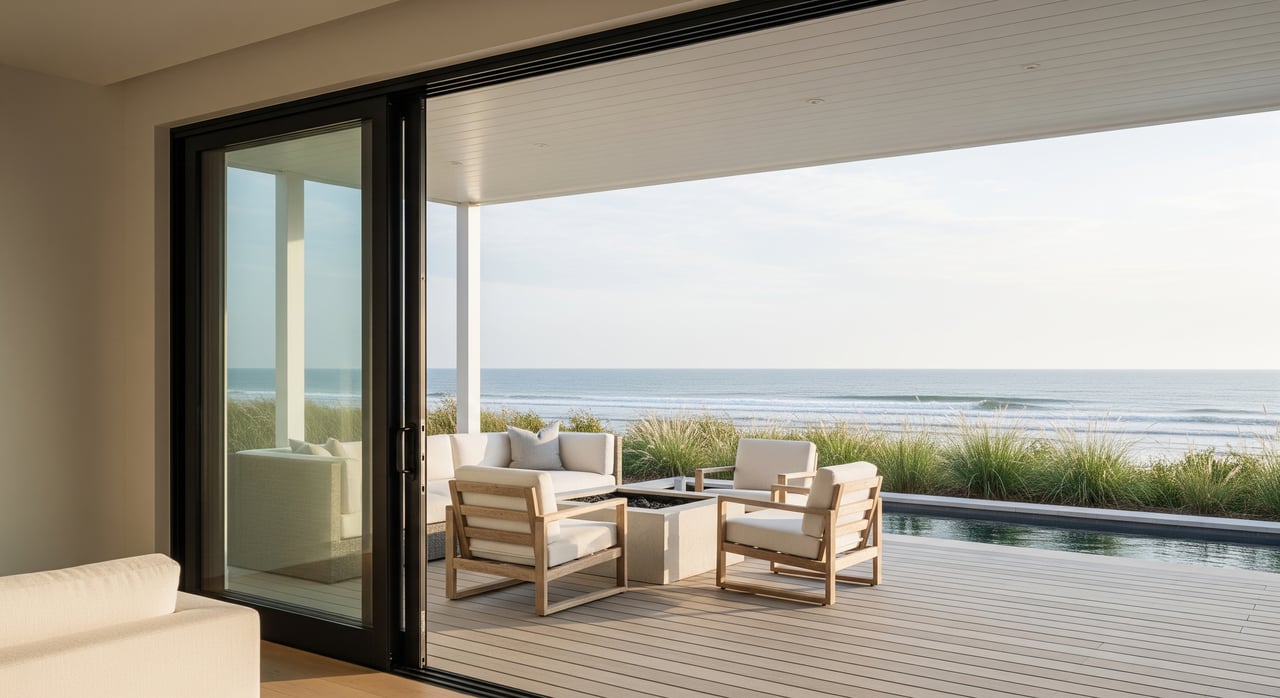
Virginia Beach Coastal Neighborhoods Guide for Relocation
February 5, 2026
February 5, 2026
Thinking about moving to the Virginia Beach coast but not sure which beach neighborhood fits you best? You are not alone. Between ocean surf, calm bay waters, marinas, and boardwalk energy, each micro-market delivers a different day-to-day experience. This guide translates the most asked-about areas into practical lifestyle choices, commute expectations, and risk considerations so you can shortlist with confidence. Let’s dive in.
Virginia Beach fronts both the Atlantic Ocean and the Chesapeake Bay. Oceanfront areas bring stronger surf and direct boardwalk access, while bay and canal neighborhoods offer calmer water and boating. Near-inlet pockets sit by marinas and active waterways.
Nature access varies, too. The North End borders significant green space and trail systems like First Landing State Park, while Rudee Inlet and Bay Colony place you steps from marinas and resort amenities. Knowing whether you want surf, bay, or marina orientation will narrow your search quickly.
Primary corridors include I-264 for Norfolk and western commutes, Shore Drive and US-60 on the bay side, and local arterials like Laskin Road and Atlantic Avenue. Commute times can range from 10 to 45 minutes depending on origin, destination, and time of day.
If you rely on public transit, the Hampton Roads Transit bus network serves Virginia Beach, but coverage and frequency are more limited than in denser cities. There is no light rail connection from Virginia Beach to Norfolk. Seasonality matters as well, since summer tourism can add congestion near the boardwalk and oceanfront.
Many coastal properties sit in FEMA flood zones. Before you shortlist, review FEMA Flood Map resources and request elevation certificates when available. For sea-level and coastal vulnerability context, consult Virginia Institute of Marine Science research.
Virginia Beach regulates dunes, shoreline protection, and short-term rentals. If you plan to remodel or consider rental income, start with city resources on permitting and registration at the City of Virginia Beach. Noise is another factor near NAS Oceana; flight paths can affect daily livability and resale. For base information and updates, reference official Navy resources.
Expect a mix of older cottages, modest single-family homes, and newer raised rebuilds closer to the ocean. The vibe is quieter than the central boardwalk, with direct access to trails and nature at First Landing. Grocery and retail are accessible, but not as dense as mid-city. Commutes to NAS Oceana or I-264 can range from 20 to 40 minutes or more depending on route and time of day.
You will find classic beach bungalows and cottages alongside infill and rebuilds. Local beaches and community access points create a relaxed neighborhood feel without heavy boardwalk tourism. Drives to NAS Oceana are typically short to moderate, and Norfolk commutes via I-264 are manageable with typical traffic. Housing footprints skew modest, with redevelopment bringing upward price pressure.
This bay-and-canal corridor mixes mid-century ranches, townhomes, and waterfront properties with private docks. Calmer waters suit boating, paddling, and fishing, and many homes offer direct water access. Shore Drive connects efficiently to I-264 and city centers, with many commutes falling in the 10 to 30 minute range. Shopping, healthcare, and services are well distributed in nearby hubs.
This is the upscale slice of resort-side living, with luxury homes, high-end condos and townhomes, private or near-private beach access, and marinas close by. You can walk to dining, the boardwalk, and Atlantic Avenue activity. Commutes to NAS Oceana are typically short, and I-264 access is straightforward. Lifestyle and walkability drive demand and pricing.
Use these filters before you schedule tours to align properties with your lifestyle and budget.
Plan for variability by time of day and season. Shore Drive, Laskin Road, and I-264 are the key arteries, and summer tourism can add minutes near oceanfront corridors. For bus options and schedules, check Hampton Roads Transit. For roadway updates and corridor projects, consult Virginia Department of Transportation.
If daily outdoor access matters, prioritize proximity to the trails and beach entries you will use most. North End and First Landing offer extensive hiking, biking, and quieter ocean access. Bayfront neighborhoods provide calmer water for paddling and easier boating. For a more remote wildlife setting, explore the Back Bay National Wildlife Refuge to understand the feel of the Sandbridge area.
Structure a one or two day visit around how you will live. Walk the actual beach access points you would use, drive your commute during rush hour, and test parking near likely weekend spots. If boating or surfing is your priority, compare canal or bay access versus ocean surf conditions.
Map out a few homes in two contrasting areas, like Chic’s Beach versus Bay Colony, so you can feel the tradeoffs between lifestyle, cost, and commute. If you are early in the process, a furnished short-term rental in your target area can help you confirm daily rhythm before committing to a purchase. For military timelines, keep flexibility in mind, then align options with your BAH and reporting needs.
Ready to narrow your list with local insight, private showings, and clear guidance on flood, noise, and commute factors? Start your tailored market consultation with Rowland RE and move forward with confidence.
Stay up to date on the latest real estate trends.

We pride ourselves on providing personalized solutions that bring our clients closer to their dream properties and enhance their long-term wealth. Contact us today to find out how we can be of assistance to you!