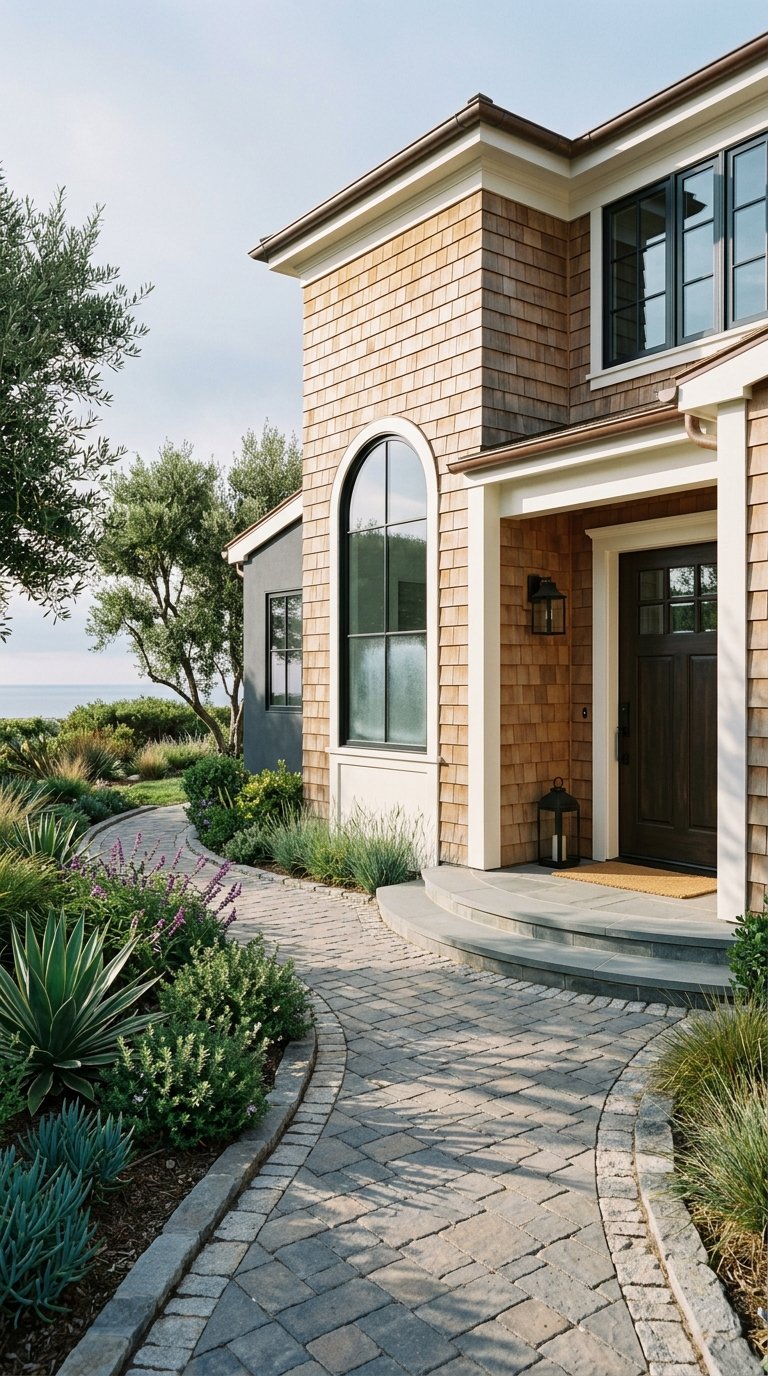
Living Car-Light At The North End In Virginia Beach
July 23, 2026
July 23, 2026
If your ideal Virginia Beach day starts with a walk to the sand instead of a drive across town, the North End deserves a closer look. This stretch of the Oceanfront makes it easier to keep your car parked more often, especially if you enjoy walking, biking, and using seasonal transit for nearby outings. While it is not truly car-free, it can be a practical fit for a lighter-driving lifestyle with the right expectations. Let’s dive in.
The North End works best for people who want to drive less, not never drive. Its biggest advantage is simple: you are close to the beach, nearby recreation, and seasonal transit connections that cover key parts of the Oceanfront and Shore Drive areas.
Virginia Beach says North End beach access ramps are available at every public beach access from 43rd through 89th Streets. That gives you consistent, direct access to the shoreline, which is the area’s main everyday amenity and a big reason many residents can build more of their routine around walking and biking.
This setup is especially appealing if your version of convenience is lifestyle-based rather than errand-based. In other words, the North End is strong on outdoor access and short recreational trips, while some daily tasks may still be easier by car.
Virginia Beach says the city has more than 146 miles of paved bike and pedestrian transportation routes. That broader network supports short local trips and gives North End residents more flexibility if you like to move around on foot or by bike.
If you plan to head south toward the Oceanfront, it helps to know the local rules. The city requires bicycles and surreys to stay on the bike path at the Oceanfront, while roller blades and skates are limited to the boardwalk.
For many households, that means a bike can be useful for recreation and select short trips, especially in fair weather. It also means your day-to-day routine is easier if you are comfortable planning around designated paths and seasonal activity levels.
For North End residents, HRT Route 35 is the key transit connection. It runs between Parks Avenue and 19th Street and Shore Drive and Pleasure House Road, serving North End beaches, First Landing State Park, Chesapeake Bay beaches, and Bayfront restaurants on Shore Drive.
That matters because it links the North End to destinations that go beyond the immediate residential blocks. You can use it to reach trails, dining areas, and nearby waterfront spots without automatically getting in the car.
HRT also operates Route 30 along Atlantic Avenue to shops, restaurants, museums, and other Oceanfront destinations. In summer, combining Route 35 and Route 30 can make it much easier to enjoy more of Virginia Beach with less driving.
According to HRT’s 2026 VB Wave service information, Route 30 runs daily from May 10 through Neptune Festival about every 15 minutes from 8:00 a.m. to 2:00 a.m. Route 35 runs daily from May 10 through Labor Day, then Friday through Sunday through Neptune Festival, about every 30 minutes from 8:00 a.m. to 12:30 a.m.
That schedule makes summer the easiest season for car-light living in the North End. You have more frequent service, longer hours, and easier access to Oceanfront and Shore Drive destinations when demand is highest.
Virginia Beach also notes that fixed-route bus service operates seven days a week. That can help fill in the gaps when the seasonal beach shuttle is not running, although your route planning may take a little more effort in the off-season.
VB Wave fares are straightforward. Adult fare is $2 one way or $4.50 for all-day riding.
If you are comparing transportation costs, that pricing can make short outings and beach-season errands more affordable than repeated parking fees and short car trips. It is one more reason the North End can support a lighter-driving routine for the right household.
In the North End, the beach is not just a weekend feature. It is the center of the lifestyle.
Because beach access is built into the area from 43rd to 89th Streets, it is easy to make the shoreline part of your normal routine. Morning walks, bike rides nearby, and casual evening time by the water can all happen without much planning.
That said, the area is not designed like a dense urban district with every service around the corner. If your priority is immediate access to the ocean and a quieter residential feel, that tradeoff may be exactly the point.
First Landing State Park is one of the strongest nearby assets for North End residents. Virginia DCR says the park has 10 trails totaling about 20 miles, and bikes are allowed on the Cape Henry and Live Oak trails.
The Cape Henry Trail is also universally accessible from Kendall to 64th Street. If you want more than beach time, the park gives you another nearby option for exercise, quiet outdoor time, and low-key weekend plans.
Its location at 2500 Shore Drive also pairs well with Route 35 service. That makes the park one of the clearest examples of how car-light living in the North End can still include varied recreation.
For dining and outings, Shore Drive and Atlantic Avenue are two of the most useful nearby corridors. HRT specifically notes that Route 35 serves Bayfront restaurants on Shore Drive, while Route 30 connects to shops, restaurants, museums, and more along Atlantic Avenue.
This is an important part of the lifestyle equation. Even if the North End itself stays primarily residential, nearby corridors give you more options when you want a meal out, a change of scenery, or a quick trip south.
A realistic view matters here. The North End is better described as car-light than car-free because many of its strongest features are clustered around the beach, First Landing, and nearby corridors instead of being spread evenly through the neighborhood.
That means your experience depends a lot on your habits. If you enjoy walking to the beach, biking in fair weather, and using transit seasonally, the setup can feel very natural. If you need frequent large grocery runs, daily cross-city commuting, or off-season convenience at all times, you will probably still rely on a car regularly.
Facilities are another example. Virginia Beach lists permanent public restrooms mainly south of the North End, including 2nd, 17th, 20th, 24th, 30th, and 31st Streets plus a few other facilities, so beach days in the North End often benefit from some planning.
Summer is when the North End’s car-light strengths are most visible. Beach access is active, lifeguard coverage is in place, and VB Wave service is running at its seasonal peak.
Virginia Beach says lifeguards are on duty at the Oceanfront from Memorial Day weekend through Labor Day weekend, and the North End is patrolled from 11:00 a.m. to 6:00 p.m. For many residents, that supports a simple rhythm of walking to the beach and using transit or bikes for nearby outings.
Outside peak season, the lifestyle can still work well, but it usually takes more intention. Transit is less robust, weather can be less predictable, and some trips may be easier by car.
This does not make the North End inconvenient. It simply means the area tends to suit people who are comfortable with a flexible routine and a backup plan for errands, bad weather, and occasional longer trips.
Living near the coast means staying aware of weather and beach conditions. Virginia Beach’s Beach Report provides updates for rough surf, rip currents, water-quality closures, and electrical-storm closures, which can be helpful during the warmer months.
VBAlert is the city’s official alert system for weather watches and warnings, evacuations, and transportation disruptions. If you are considering a home in the North End, these tools are part of living well in a coastal setting.
Virginia Beach’s emergency preparedness guidance also notes that Atlantic hurricane season runs from June 1 to November 30. The city advises residents to make a plan, know evacuation options, and remember that flood damage is not covered by standard home insurance and requires separate flood insurance.
Even in a car-light setup, you may still want to drive into the Resort Area from time to time. Virginia Beach’s Resident Parking Voucher Plan gives verified residents $50 in annual free parking at participating Oceanfront garages, surface lots, and designated on-street metered spaces.
That perk can make occasional car trips a little easier and more affordable. For North End residents, it is a useful middle ground that supports a lighter-driving lifestyle without forcing you to give up the convenience of a car when you need it.
The North End tends to make the most sense if you are drawn to a coastal routine and you value proximity to the beach over having every daily errand steps away. It can work especially well if you are buying a primary home, second home, or investment property with lifestyle in mind.
You may be a strong fit for the area if you want:
In short, the North End offers a very specific kind of convenience. It is less about urban density and more about making the most of coastal access, outdoor movement, and nearby seasonal connections.
If you are weighing whether that rhythm matches your goals, Rowland RE can help you evaluate the North End with a clear, tailored view of how the lifestyle fits your day-to-day needs.
Stay up to date on the latest real estate trends.



We pride ourselves on providing personalized solutions that bring our clients closer to their dream properties and enhance their long-term wealth. Contact us today to find out how we can be of assistance to you!