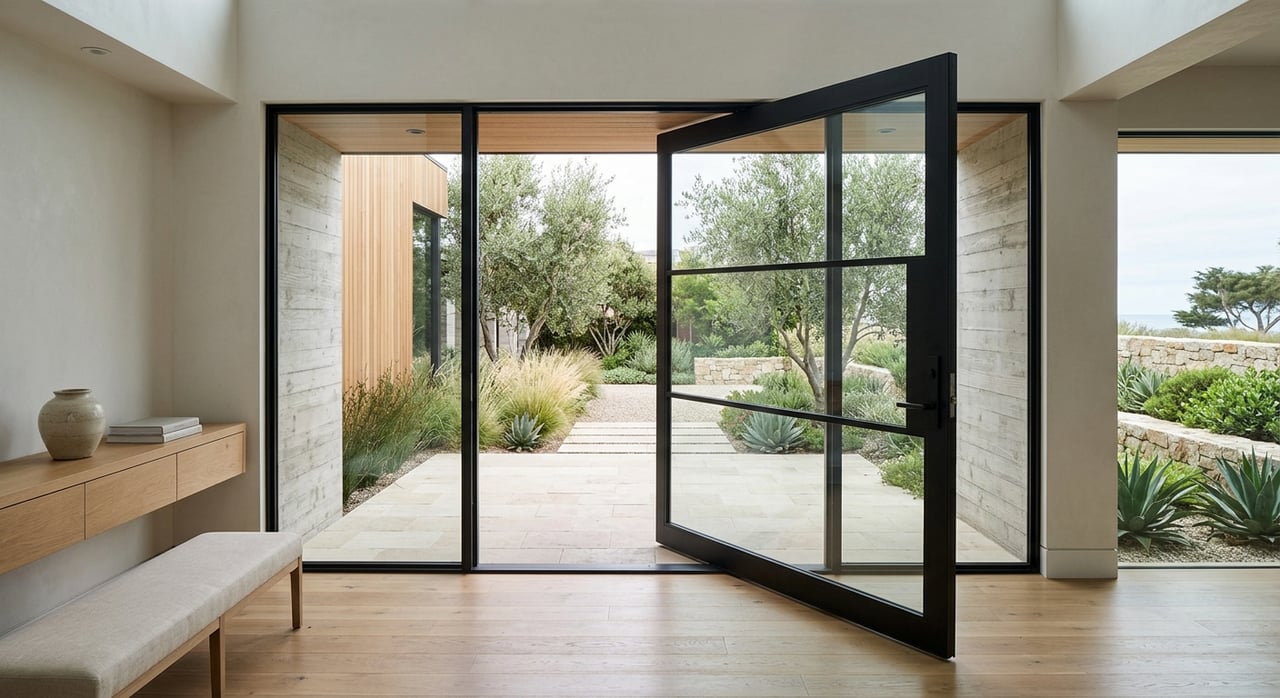
Should You Buy or Rent in North End Virginia Beach?
July 16, 2026
July 16, 2026
Wondering whether it makes more sense to buy or rent in The North End of Virginia Beach? You are not alone. This is one of the area’s most recognized coastal micro-markets, and the choice can feel especially big when home prices, rental rates, taxes, and flood considerations all come into play. In this guide, you’ll get a clear look at how buying and renting compare, who each path tends to fit best, and what to weigh before you make a move. Let’s dive in.
The North End is widely known as a premium oceanfront residential area in Virginia Beach. City beach rules identify the North End beach as the stretch north of 42nd Street to the southern boundary of Fort Story, while historical reporting has described the neighborhood more broadly as running from 32nd Street to 89th Street. That wider view matters because it reflects a long-standing mix of housing styles and use patterns.
You are not looking at a one-size-fits-all housing market here. The North End has historically included older beach cottages, larger residences, and new construction or rebuilt homes. That gives you more than one possible lifestyle path, whether you are considering a detached home, a condo-style option, or a rental while you learn the area.
Current data also show a market with high values and limited inventory. Zillow places the average North End home value at $1,156,945, with 56 homes for sale and a median list price of $1,388,333 as of June 30, 2026. The City of Virginia Beach’s FY2027 assessor report also places North End, identified as District 6, at the top of the city in assessed value at $15.69 billion.
On the rental side, availability exists, but it is still a premium market. Zillow shows 82 rental listings, including apartments and houses, with asking rents ranging from about $1,600 to $14,500 per month. In other words, renting can lower your commitment level, but it does not mean low-cost living.
Buying in The North End usually means making a long-term lifestyle and equity decision. If you want a permanent beach base, more control over your property, and the ability to customize your home, ownership can be compelling. In a limited coastal market, those benefits can carry real value over time.
That said, the cost of ownership is significant. Using the City of Virginia Beach FY2026 real estate tax rate of $0.97 per $100 of assessed value, a home priced near the current North End median list price would imply about $13,467 per year in real estate tax alone. That works out to roughly $1,122 per month before mortgage principal and interest, homeowners insurance, flood insurance, maintenance, or any condo or HOA dues.
For many buyers, that monthly carrying cost is the real story. A seven-figure purchase price is only part of the equation. You also need to plan for ongoing expenses that are common in a coastal environment, including upkeep and insurance.
Buying may be the better fit if you:
The North End remains one of the city’s highest-value districts, and city assessment trends show that overall assessed values continue to rise even as appreciation has slowed. That points to a market where buying may work best as a long-horizon strategy rather than a short-term affordability move.
If you are buying in The North End, flood risk is not a side note. Virginia Beach participates in the National Flood Insurance Program, and the City notes that separate flood insurance is required for flood damage. The City also identifies VE zones as coastal flood zones with storm-wave hazard.
There is some cost relief built into the local picture. Virginia Beach is a Class 7 community in the Community Rating System, and residents and business owners receive a 15% flood insurance premium discount. Even with that discount, though, flood insurance should be part of your ownership budget from day one.
Renting in The North End is often the flexibility play. It usually requires less cash up front than buying, and it lets you experience the area without taking on ownership-level costs right away. For relocation clients, second-home shoppers still exploring options, or anyone unsure about timing, that flexibility can be valuable.
Renting also helps you avoid several major expenses that owners absorb directly. You are generally not responsible for property tax, flood insurance as an owner expense, or surprise repair bills tied to the structure. In a premium coastal market, avoiding those variables can make your monthly budget easier to manage.
That does not mean renting is inexpensive. Current rental listings range from about $1,600 to $14,500 per month, which reflects the wide spread in property type and size. Some renters may find that range appealing for testing the market before making a purchase, while others may decide that premium rents make ownership worth exploring sooner.
Renting may be the better fit if you:
Citywide affordability data adds another layer to the decision. The City’s housing study found that median gross rent rose from $1,203 in 2014 to $1,431 in 2021, and average asking rent reached $1,522 in 2023. The same study estimated that a median unit required annual income of $57,320 to rent versus $75,520 to own with a mortgage.
At the same time, the citywide data also show that renter households are more likely than owner households to be cost-burdened. If you plan to rent for several years, lease renewal risk and annual rent increases deserve careful attention.
The best answer is often less about the market in general and more about your timeline, budget, and comfort level with responsibility. The North End supports different kinds of living arrangements, so your decision should match the way you actually plan to use the property.
If you are moving to Virginia Beach from outside the area, renting first often makes practical sense. It gives you time to understand daily traffic patterns, beach access, and how different parts of The North End feel in real life. In a premium market, that learning period can help you buy with more confidence.
The beach itself is also a regulated shoreline environment. The City notes that lifeguards or patrol are on duty in season, and beach rules govern things like swimming, pets, bicycles, and related use patterns. If your goal is a seamless lifestyle fit, spending time in the area before buying can be a smart step.
If you are looking for a lasting beach base and have stable finances, buying may align better with your goals. You gain control, a chance to build equity, and the ability to secure a home in one of Virginia Beach’s most supply-constrained oceanfront areas. For many buyers, that combination is the point.
The area also benefits from its proximity to First Landing State Park, which anchors the north edge of the beach area and is the most-visited state park in Virginia. If access to outdoor recreation is part of your ideal coastal routine, that nearby amenity can strengthen the case for long-term ownership.
For empty-nesters and retirees, the decision often comes down to cash flow and maintenance tolerance. A home in The North End can deliver the coastal setting you want, but the monthly and annual carrying costs remain real. Taxes, insurance, and upkeep do not pause just because the home is in a strong market.
The City’s 2024 housing study found that nearly 40% of Virginia Beach households age 75 and older are cost-burdened, with senior-headed one-person households especially vulnerable. That does not mean buying is off the table. It simply means your reserves, monthly comfort level, and appetite for maintenance should lead the decision.
Before you decide whether to buy or rent in The North End, it helps to narrow the choice to a few practical questions.
Ask yourself:
If your answers center on flexibility, testing the lifestyle, or protecting short-term cash flow, renting may be the more sensible route. If your answers point toward permanence, control, and long-range value, buying may be worth the higher barrier to entry.
| Option | Best for | Main advantage | Main tradeoff |
|---|---|---|---|
| Buying | Long-term owners | Equity, control, stability of place | High upfront and ongoing costs |
| Renting | Relocation, trial period, flexible timelines | Lower commitment and fewer ownership costs | Premium rents and less long-term control |
In plain terms, buying in The North End is usually an equity decision. Renting is usually a flexibility decision. Neither path is automatically better. The right fit depends on your timeline, your budget, and how you want to live at the beach.
When you are weighing a move in a micro-market like The North End, local context matters. A concierge-style, neighborhood-specific approach can help you compare not just prices, but the real day-to-day experience of living there. If you want tailored guidance on buying, renting, or narrowing the right property type for your goals, start your market consultation with Rowland RE.
Stay up to date on the latest real estate trends.


We pride ourselves on providing personalized solutions that bring our clients closer to their dream properties and enhance their long-term wealth. Contact us today to find out how we can be of assistance to you!